Public Adjuster for Roof Claim
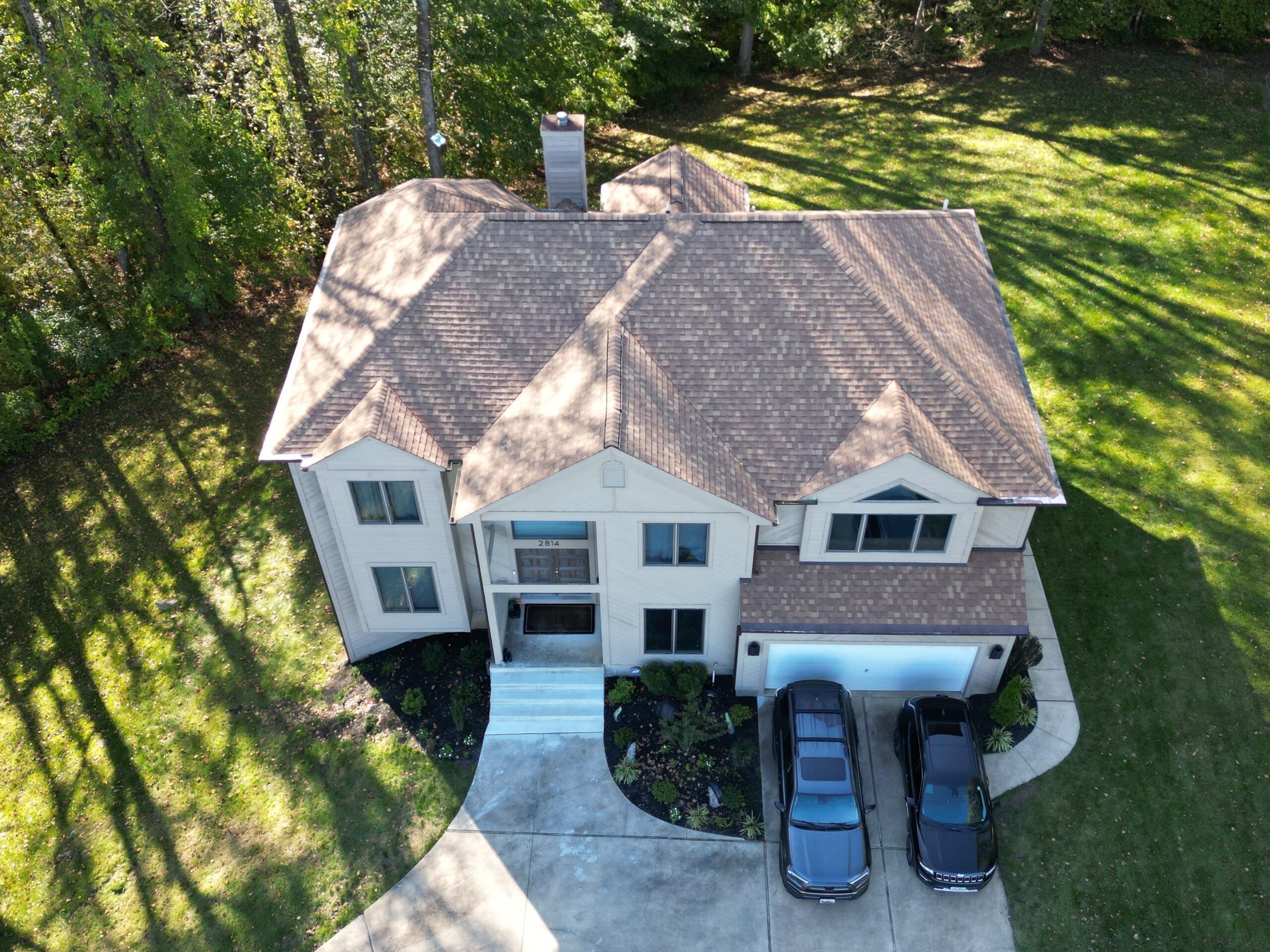
A public adjuster for a roof claim is a licensed professional who works for the homeowner, not the insurance company, to document roof damage and negotiate a fair payout. Hiring one can help when a claim is large, complex, or already denied. For small or clear-cut claims, the cost may outweigh the benefit, so the right move depends on the size and difficulty of the situation.
What a Public Adjuster Actually Does
A public adjuster reviews the policy, inspects the roof, and builds a detailed estimate of repair costs. Then they negotiate directly with the insurer on the homeowner’s behalf. Their goal is a settlement that reflects the true scope of the damage.
A public adjuster for a roof claim typically charges a percentage of the final payout, often between 5% and 20%. That fee comes out of the settlement, so it pays to weigh the expected gain against the cost.
Key tasks include:
- Reviewing policy coverage and exclusions
- Inspecting and photographing the roof
- Preparing a line-by-line repair estimate
- Filing paperwork and meeting deadlines
- Negotiating with the carrier until the claim resolves
Public Adjuster vs. Insurance Company Roles
It helps to understand who works for whom. The carrier’s insurance agent sold the policy and may help start the claim, but the company adjuster ultimately protects the insurer’s bottom line. A public adjuster represents only the homeowner.
This difference matters most when the two sides disagree on what caused the damage or how much repair will cost.
When a Roof Public Adjuster Makes Sense
Not every claim needs one. A roof public adjuster is most useful in these situations:
Large or Disputed Claims
When a full roof replacement is on the table, the dollars get serious fast. A storm that strips shingles, cracks decking, or causes interior leaks can lead to a high-value roof insurance claim. A public adjuster can document every affected area so nothing gets missed.
Denied or Underpaid Claims
Insurers sometimes deny claims or offer less than the repair truly costs. If the first offer feels low, a public adjuster can challenge it with evidence and a counter-estimate.
Confusing Policy Language
Coverage terms can be hard to read. A public adjuster translates the fine print and points out what the policy does and does not cover.
Storm Damage vs. Wear and Tear
This is the heart of most roof disputes. Insurance covers sudden, accidental harm like storm damage from wind, hail, or falling trees. It usually does not cover wear and tear, which is the slow aging of materials over time.
Carriers often argue that damage is age-related rather than weather-related. Clear photos, dated records, and a professional inspection help prove the difference. A strong file makes a denial harder to justify.
Steps to Strengthen a Roof Claim
Good documentation drives good results. Homeowners can protect themselves by following a clear order:
- Take photos of the roof before and after any storm season.
- Save receipts for past maintenance and repairs.
- Report damage to the carrier promptly
- Keep a copy of the policy and the declarations page.
- Get an independent roof inspection from a qualified contractor.
A trusted contractor can spot problems an untrained eye misses. Explore roofing and exterior repair options through Chase Remodeling’s exterior remodeling services and related gutter installation work to keep the whole roof system in good shape.
Pros and Cons of Hiring One
A balanced view helps with the decision.
Potential upsides:
- Higher settlements on complex claims.
- Less paperwork and stress for the homeowner.
- Expert negotiation against the carrier.
Possible downsides:
- A percentage fee reduces the net payout.
- Less value on small, simple claims.
- Quality varies, so vetting matters.
Work With A Reliable Roof Expert
Knowing how a public adjuster works puts homeowners in a stronger spot before they ever file. The next step is a solid roof inspection and a clear repair plan from a team that knows local roofs. Chase Remodeling helps Maryland homeowners assess roof damage and restore their homes with quality workmanship. Contact Chase Remodeling today to schedule your inspection and get a clear path forward.
Frequently Asked Questions
What does a public adjuster cost?
Most public adjusters charge a percentage of the final settlement, often 5% to 20%. The fee is deducted from the payout, so the benefit is greatest on larger or disputed roof claims.
Can a public adjuster reopen a denied roof claim?
Yes. A public adjuster can review a denied claim, gather new evidence, and submit a counter-estimate to the insurer. Strong documentation of storm damage improves the chance of a reversal.
How long does a roof insurance claim take?
Timelines vary by carrier and damage size. Simple claims may settle in a few weeks, while disputed or large claims can take several months from filing to final payment.
Will insurance cover an old roof?
It depends on the cause. Insurers cover sudden storm damage but often deny claims tied to wear and tear or age. Photos and an inspection help prove the damage source.
Do I need a contractor and a public adjuster?
They serve different roles. A public adjuster negotiates the claim, while a contractor inspects and repairs the roof. Many homeowners use both for a complete, well-documented outcome.


Let’s Talk
Request a no-hassle consultation with our team today.
Let’s Talk
Request a no-hassle consultation with our team today.